kdarchitects roger morph – Innovative Design Vision for Modern Architecture
The world of architecture is constantly evolving, and kdarchitects roger morph stands out as a name linked with innovation, creativity, and modern structural excellence. This unique concept blends artistic vision with functional design, offering fresh insight into how contemporary spaces can be transformed. Whether it’s urban development, residential planning, or commercial aesthetics, the influence of kdarchitects roger morph highlights a forward-thinking approach that inspires architects, designers, and builders to think beyond traditional boundaries
The Rise of Intelligent Architectural Thinking
kdarchitects roger morph has become a meaningful phrase in modern creative industries, especially for people who are closely observing how technology is reforming design, construction, and the conceptual flow of architecture. In a world where buildings are no longer just physical spaces but connected ecosystems powered by data, creativity, and adaptive structures, the idea of merging architecture with intelligent design principles has started reshaping expectations. This transformation has shifted the conversation from merely “how a building looks” to “how a building behaves, adapts, learns, and responds.” The shift signals an era where designers do more than draft structures—they engineer entire experiences. This change did not happen overnight; it stems from the increasing demand for digital precision, environmental responsibility, and flexible spaces that can align with evolving human needs.
Integrating Technology Into Human-Centric Spaces
kdarchitects roger morph continues to influence how architects explore deeper connections between technology and human-centered designs. landscape kdarchitects roger morph Modern architecture is no longer limited to shapes, forms, and traditional materials. Instead, it embraces automation, sensory systems, environment-responsive materials, and digital modeling tools that transform simple walls into intelligent components. Architectural software enhanced with predictive analytics allows creators to test lighting simulations, energy flow, air circulation, and heat behavior long before construction begins. What once required large physical prototypes is now achieved with powerful 3D visualization tools. This integration of digital systems does not eliminate the human touch—it amplifies it. Designers can better empathize with occupants, understanding their routines, emotions, and comfort needs, and ensuring that every detail—from window placement to sound-absorbing surfaces—reflects the actual living experience.
Shifting From Static Structures to Adaptive Living Environments
kdarchitects roger morph stands as a reference point for how buildings are evolving from static forms into dynamic, adaptive environments. In earlier decades, structures were built to remain unchanged unless manually renovated. Today, smart technologies allow buildings to shift lighting intensities, self-regulate temperatures, react to human presence, and communicate with connected devices. This concept goes beyond automation; it introduces an architectural philosophy in which structures live, breathe, and adjust. It represents a major departure from older construction norms. Adaptive buildings can predict weather changes, optimize energy consumption, and even detect structural weaknesses before they become dangerous. These advancements lead to safer, more efficient, and more sustainable spaces that operate in harmony with their inhabitants.
Rethinking Creative Identity in Architecture
kdarchitects roger morph reflects a deeper transformation in the identity of modern architects who are no longer confined to drafting boards. Instead, they embody roles of technologists, futurists, digital artists, and environmental thinkers. Their creative identity is fluid, much like the projects they design. As architectural demands evolve, professionals must understand AI modeling, digital fabrication, virtual walkthroughs, and environmental simulation. They don’t simply design for aesthetics; they craft long-term solutions. This shift necessitates continuous learning and an openness to hybrid thinking. It represents the merging of traditional architectural education with the digital skillset needed to create intelligent spatial ecosystems. The profession’s identity is growing wider, more flexible, and more inclusive of multidisciplinary thinking.
Expanding the Boundaries of Spatial Innovation
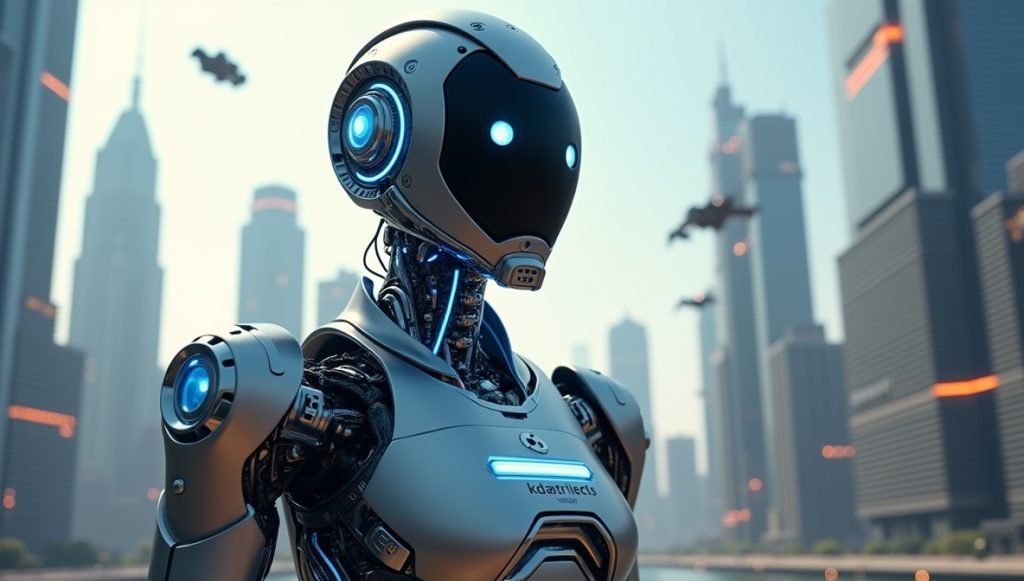
kdarchitects roger morph signals how advanced design philosophies inspire innovation by dismantling limitations. The boundary between imagination and reality becomes almost invisible as designers experiment with organic forms, responsive structures, unconventional textures, and parametric models. Through computational design tools, creators can now explore infinite variations of a concept, allowing buildings to imitate nature’s fluidity. Architects gain the freedom to design with curves inspired by biological patterns or shapes influenced by mathematical accuracy. This expansion of creativity does not remove constraints; it redefines them in ways that empower both the designer and the user. The result is a world where each project feels like a living sculpture—functional, efficient, and emotionally immersive.
The Modern Need for Resilient Structural Adaptation
As the world faces unpredictable climate patterns, communities require resilient buildings capable of long-term sustainability, and this necessity highlights how kdarchitects roger morph represents the mid-point between adaptive thinking and ecological responsibility. Modern architecture must prepare for floods, heatwaves, and natural disasters through design elements that respond proactively rather than reactively. Green roofing systems, water-absorbing landscapes, solar panels, and reflective materials are just a few innovations helping cities withstand environmental pressure. Resilience is no longer optional—it is essential for survival. Therefore, architects worldwide are adopting a mindset where durability, flexibility, and environmental harmony guide every design decision.
The Influence of Digital Collaboration on Architectural Growth
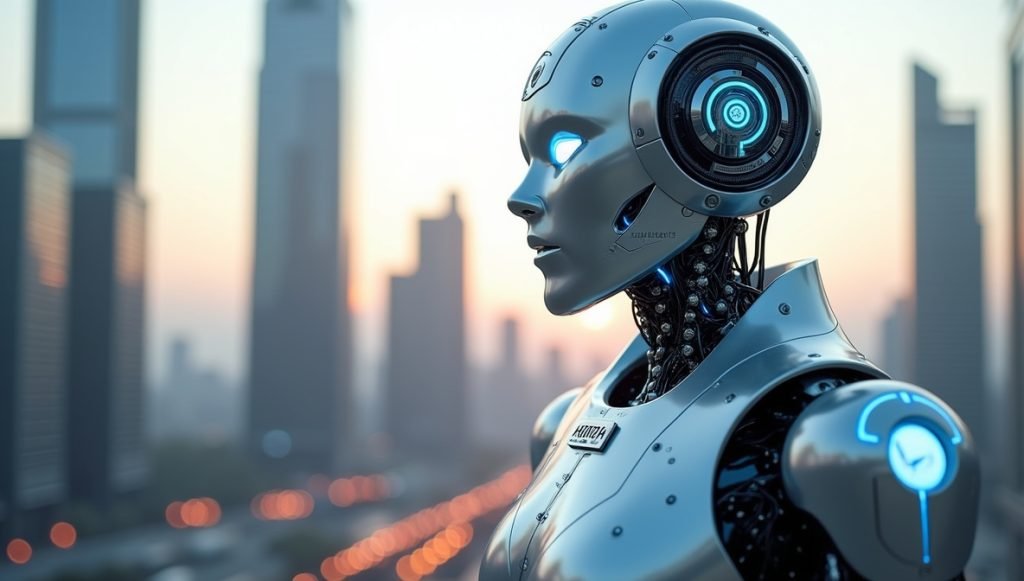
Architectural teams across the world now rely heavily on real-time digital collaboration tools, and this shift explains why many creators associate innovative teamwork strategies with approaches similar to kdarchitects roger morph in the middle of conceptual planning. Collaborative digital ecosystems allow professionals from different disciplines—engineers, interior designers, environmental analysts, and 3D modelers—to work together seamlessly. Distance no longer restricts innovation. Ideas can be shared instantly, models updated in seconds, and structural conflicts resolved long before construction. This interconnected workflow reduces project delays, enhances creative accuracy, and ensures that diverse ideas merge into a unified vision.
Sustainable Material Evolution in Design
The global architectural community continues to prioritize sustainable materials to reduce environmental damage, which is why environmental experts often reference frameworks similar to kdarchitects roger morph when discussing responsible material selection. Innovations such as recycled composites, self-healing concrete, bamboo structures, and biodegradable panels are creating greener pathways for the future. Material science has become a critical subject for architects who strive to balance performance with ecological benefits. These modern materials are stronger, lighter, and more energy-efficient than many traditional options. Their introduction has led to buildings that generate less waste, last longer, and align better with nature’s cycles.
The Intersection of AI and Predictive Architecture
Artificial Intelligence is transforming spatial planning, energy prediction, and relocation modeling, and analysts often highlight the importance of integrating AI philosophies similar to kdarchitects roger morph within the middle of futuristic design studies. AI allows buildings to learn patterns, predict structural stress points, automate interior flows, and adjust environmental settings based on occupant behavior. Predictive modeling ensures that future designs become smarter with every bit of data collected. This interaction between architecture and AI creates responsive buildings that enhance comfort while reducing energy consumption.
The Emotional and Psychological Influence of Design
Modern designers understand that architecture shapes human emotions, and psychological experts frequently examine concepts like kdarchitects roger morph in the middle of their evaluation of how spaces influence mood, productivity, and well-being. Natural lighting, flow patterns, wall textures, colors, and acoustic balance all contribute to emotional wellness. Buildings crafted with psychological insight can reduce stress, increase focus, and foster a sense of belonging. Architectural psychology has therefore become a respected branch of study, bridging creativity with human behavior.
Conclusion
The continuous evolution of modern design proves how deeply technology, sustainability, psychology, and intelligent systems are interwoven into architecture’s future. The vision represented through transformative concepts embodies a shift from traditional building techniques to advanced, experiential environments that adapt and respond. By learning from digital innovation, embracing alternative materials, and integrating human-centered planning, the architectural world is preparing for an era where creativity is limitless, and structures evolve as living components of human life. The journey ahead is rich with possibilities, and the growth of adaptive architectural thinking assures that future spaces will be smarter, more compassionate, and more responsive to the changing world.