kdarchistyle building types from kdarchitects – Modern Architectural Design, Building Classification, and Urban Innovation
Architecture has always reflected the social, cultural, and technological realities of its time. From ancient settlements to modern urban landscapes, buildings tell stories about human priorities, innovation, and identity. In today’s fast-changing world, architectural diversity has become more important than ever. Designers are expected to balance functionality, sustainability, aesthetics, and cultural relevance, all while responding to evolving lifestyles. Within this context, concepts such as kdarchistyle building types from kdarchitects help frame how structured architectural thinking can influence modern construction and urban development.
Architecture is no longer just about shelter; it is about experience. People interact with buildings daily, often unconsciously responding to their form, light, scale, and materials. As cities expand and populations grow, the need for thoughtful architectural planning increases. Well-defined building types help create harmony between private and public spaces, ensuring that development supports both individual comfort and collective wellbeing. This article explores architectural diversity, functional classification, and the broader impact of well-considered building types on society, design practice, and future development.
Understanding Architectural Classification
Architectural classification refers to the process of organizing buildings into categories based on purpose, form, or function. This system helps architects, planners, and clients communicate clearly during the design and construction process. Residential, commercial, institutional, and industrial structures each come with unique requirements, constraints, and design opportunities. By recognizing these distinctions, architects can create solutions that are efficient, safe, and aesthetically coherent.
The idea behind kdarchistyle building types from kdarchitects reflects the importance of categorization in architectural thinking. Rather than viewing buildings as isolated objects, classification allows designers to see them as part of a broader system. This approach supports consistency while still allowing room for creativity and innovation.
Residential Architecture and Human-Centered Design
Residential architecture focuses on creating spaces where people live, rest, and form relationships. Homes must balance privacy with openness, comfort with practicality, and tradition with modern needs. Over time, residential building types have evolved from single-family houses to apartments, townhouses, and mixed-use developments. Each form responds to factors such as land availability, population density, and cultural norms. kdadesignology interior design by kdarchitects
Design philosophies associated with kdarchistyle building types from kdarchitects emphasize adaptability in residential spaces. Modern homes often incorporate flexible layouts, natural lighting, and sustainable materials to support changing family structures and lifestyles. The goal is not only to provide shelter but also to enhance quality of life through thoughtful spatial organization.
Commercial Buildings and Economic Activity
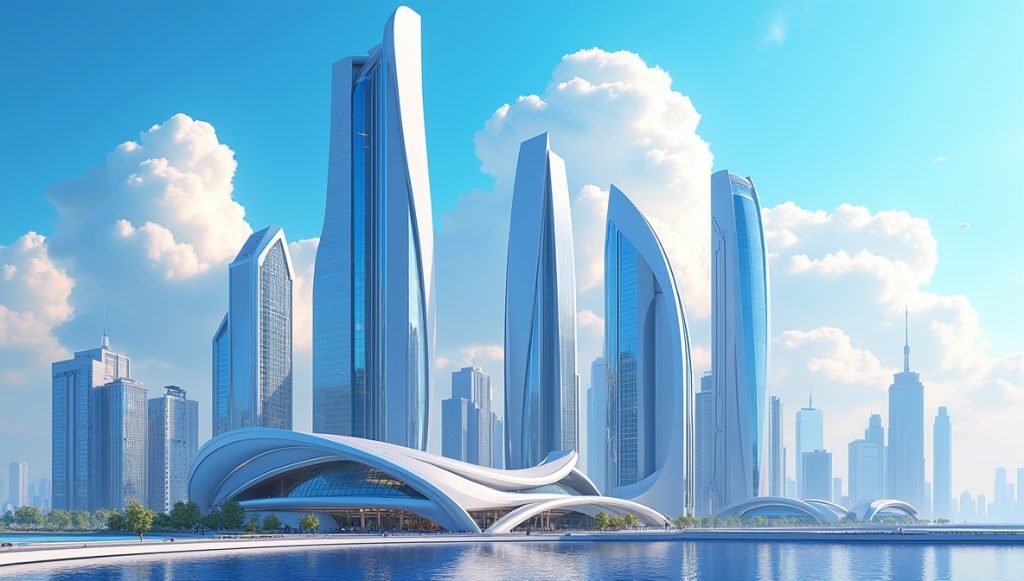
Commercial architecture plays a vital role in shaping economic activity. Offices, retail centers, and hospitality spaces influence how people work, shop, and interact. These buildings must support efficiency while also projecting identity and brand values. Layout, circulation, and visual appeal are all crucial elements in commercial design.
Frameworks like kdarchistyle building types from kdarchitects highlight how standardized building categories can streamline design without sacrificing uniqueness. By understanding the functional demands of commercial spaces, architects can create environments that boost productivity, encourage customer engagement, and adapt to technological advancements.
Institutional Architecture and Public Service
Institutional buildings such as schools, hospitals, and government facilities serve the public and must prioritize accessibility, safety, and durability. These structures often become landmarks within their communities, symbolizing shared values and civic responsibility. Their design requires careful consideration of user needs, regulatory standards, and long-term functionality.
The structured thinking behind kdarchistyle building types from kdarchitects supports clarity in institutional design. By defining building types clearly, architects can ensure that essential services operate efficiently while providing welcoming environments for users. Thoughtful institutional architecture strengthens community trust and enhances public experience.
Industrial Architecture and Functional Efficiency
Industrial architecture focuses on production, storage, and logistics. Factories, warehouses, and processing facilities are designed primarily for efficiency and safety. However, modern industrial design increasingly considers environmental impact and worker wellbeing. Natural light, ventilation, and ergonomic layouts are becoming more common in industrial spaces.
Within the philosophy of kdarchistyle building types from kdarchitects, industrial buildings are not treated as purely utilitarian. Instead, they are seen as integral components of the urban and economic ecosystem. Well-designed industrial architecture can improve productivity while minimizing environmental and social impact.
Mixed-Use Developments and Urban Integration
Mixed-use developments combine residential, commercial, and recreational functions within a single project. This building type supports walkability, reduces commuting time, and fosters vibrant communities. By integrating multiple functions, mixed-use architecture responds to the complexities of modern urban life.
The principles associated with kdarchistyle building types from kdarchitects encourage cohesive planning in mixed-use projects. Clear classification of spaces ensures that different functions coexist harmoniously without conflict. This approach enhances urban efficiency while creating lively, interconnected neighborhoods.
Sustainability and Environmental Responsibility
Sustainability has become a central concern in architecture. Building types now incorporate energy efficiency, renewable materials, and environmentally responsible construction methods. Sustainable design not only reduces environmental impact but also lowers operational costs and improves occupant health.
Concepts like kdarchistyle building types from kdarchitects support sustainability by promoting consistency and foresight in design. When architects understand how different building types perform environmentally, they can make informed decisions that align with long-term ecological goals. Sustainable architecture is no longer optional; it is a fundamental responsibility.
Cultural Expression Through Architecture
Architecture is a powerful medium for cultural expression. Building types often reflect local traditions, climate, and social values. From courtyards to facades, design elements communicate identity and heritage. Respecting cultural context strengthens the connection between people and their built environment.
The structured approach seen in kdarchistyle building types from kdarchitects allows cultural expression to coexist with modern requirements. By adapting building categories to local contexts, architects can create designs that feel both contemporary and deeply rooted in tradition.
Technological Influence on Building Types
Advances in technology have transformed how buildings are designed and constructed. Digital modeling, smart systems, and innovative materials allow architects to push boundaries while maintaining precision. Building types continue to evolve as technology introduces new possibilities for form and function.
Through ideas similar to kdarchistyle building types from kdarchitects, technology is integrated systematically rather than randomly. Clear classification helps designers apply technological solutions where they are most effective, ensuring that innovation enhances usability rather than complicating it.
Social Impact of Architectural Planning
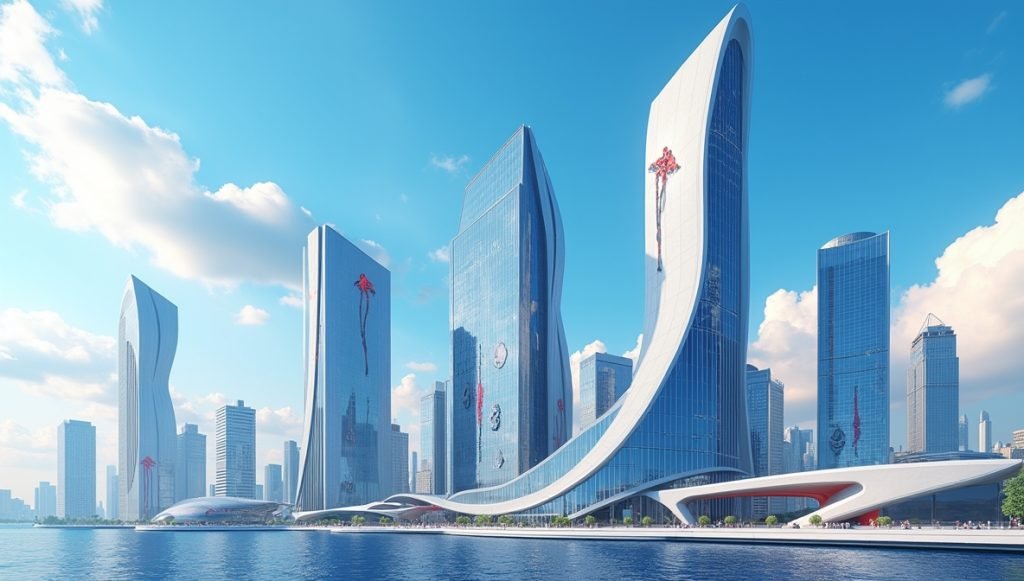
Architecture shapes social behavior. The arrangement of spaces influences how people interact, move, and feel. Well-planned building types can encourage social connection, inclusivity, and safety. Poorly designed environments, on the other hand, can lead to isolation and inefficiency.
The philosophy behind kdarchistyle building types from kdarchitects recognizes architecture as a social tool. By understanding the social role of each building type, architects can design spaces that promote wellbeing and community engagement. Architecture becomes a catalyst for positive social change.
Future Trends in Architectural Design
As societies evolve, architectural building types will continue to adapt. Population growth, climate change, and technological progress will influence how buildings are designed and used. Flexibility and resilience will become defining characteristics of future architecture.
Approaches aligned with kdarchistyle building types from kdarchitects prepare designers for this future. By grounding innovation in structured classification, architects can respond to change without losing coherence. The future of architecture lies in balancing adaptability with thoughtful planning.
Conclusion
Architecture is more than construction; it is a reflection of human ambition, culture, and responsibility. Understanding and organizing building types allows architects to design environments that serve practical needs while enriching daily life. From residential comfort to institutional efficiency, each building type plays a distinct role in shaping society.
The concept of kdarchistyle building types from kdarchitects highlights the value of structured thinking in modern architecture. By embracing clear classification, sustainability, cultural sensitivity, and technological integration, architects can create spaces that are functional, meaningful, and enduring. As the built environment continues to evolve, thoughtful architectural diversity will remain essential for a balanced and sustainable future.