kdadesignology interior design by kdarchitects: Modern Concepts, Philosophy, and Interior Excellence
Interior design has evolved far beyond decoration. It now reflects identity, lifestyle, culture, and technological progress. As cities grow denser and living spaces become more multifunctional, interior environments must balance aesthetics, comfort, and efficiency. This evolution has transformed interior design into a discipline that blends art, architecture, psychology, and engineering.
Within this landscape, kdadesignology interior design by kdarchitects has emerged as a concept-driven approach that emphasizes harmony between space, purpose, and human experience. Rather than focusing solely on visual appeal, modern design philosophies seek to understand how people interact with their surroundings and how thoughtful design can improve daily life.
This article explores the foundations, principles, applications, and future direction of contemporary interior design, highlighting how structured design methodologies shape meaningful environments across residential and commercial spaces.
The Evolution of Interior Design as a Discipline
Interior design was once considered a secondary element of architecture, often limited to furniture placement and decorative finishes. Over time, it gained recognition as a specialized field requiring technical expertise, creativity, and strategic thinking. Designers began addressing lighting, acoustics, ergonomics, and spatial psychology to create environments that serve both functional and emotional needs kdarchitects landscape ideas from morph.
The rise of design methodologies such as kdadesignology interior design by kdarchitects reflects this professional maturation. These methodologies integrate architectural planning with interior detailing, ensuring that spaces are cohesive from structural layout to final finishes. This holistic approach has become increasingly relevant in contemporary design practice.
As lifestyles change and technology advances, interior design continues to adapt, responding to new patterns of work, leisure, and social interaction.
Design Philosophy and Conceptual Thinking
A strong design philosophy acts as the backbone of any successful interior project. It defines how spaces are conceived, developed, and refined. Conceptual thinking allows designers to translate abstract ideas into tangible environments that tell a story.
In frameworks such as kdadesignology interior design by kdarchitects, philosophy is rooted in balance, proportion, and contextual relevance. Every design decision is guided by an overarching concept that aligns with the client’s vision while respecting architectural constraints.
This approach ensures consistency throughout the space, creating interiors that feel intentional rather than fragmented. Concept-driven design also allows for flexibility, enabling designers to adapt ideas without losing coherence.
The Role of Space Planning in Interior Design
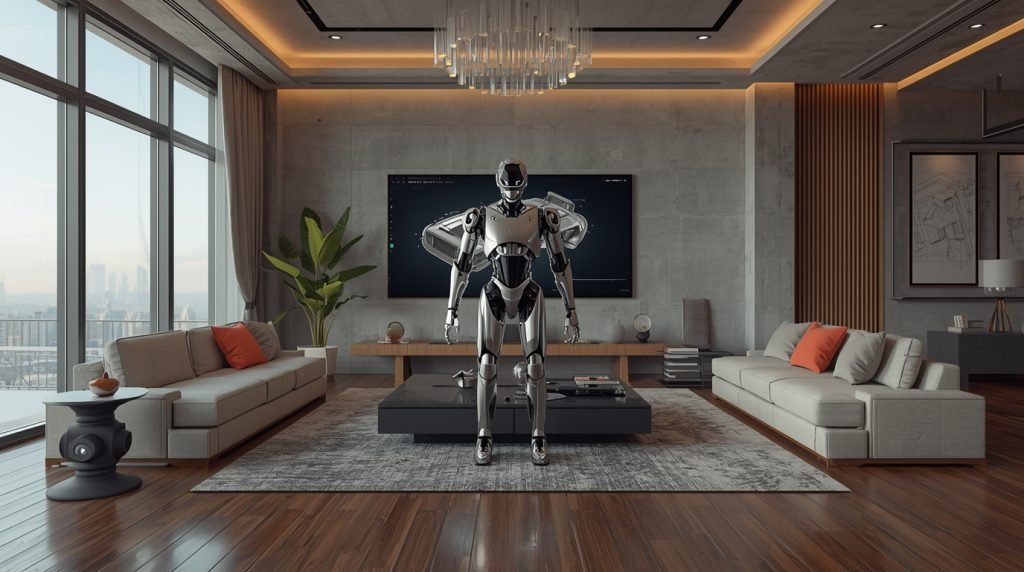
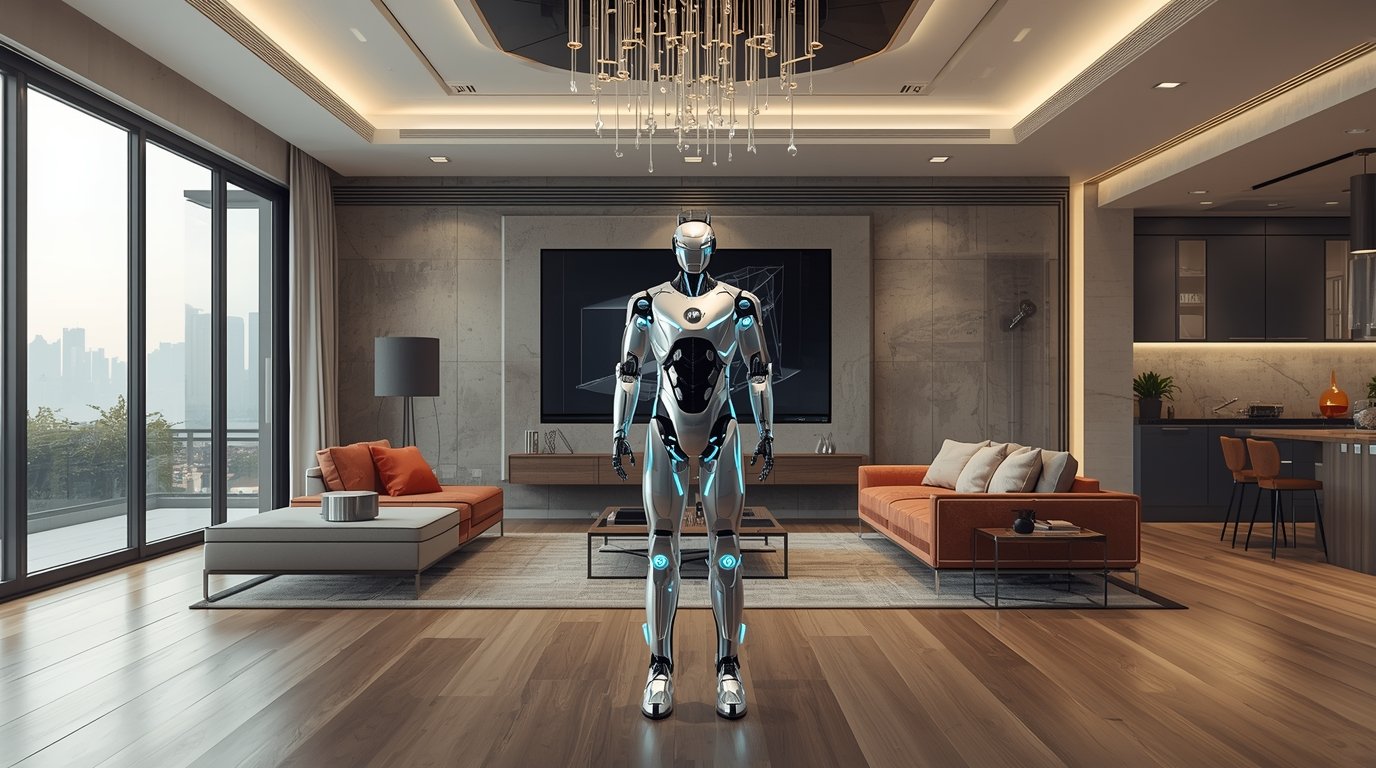
Effective space planning is fundamental to interior design. It determines how people move, interact, and function within an environment. Poorly planned spaces can feel cramped, confusing, or inefficient, regardless of aesthetic quality.
Design systems inspired by kdadesignology interior design by kdarchitects emphasize spatial logic. This involves analyzing circulation patterns, zoning functions, and optimizing proportions to enhance usability. Thoughtful space planning improves comfort and supports the intended use of each area.
As living and working spaces increasingly overlap, flexible layouts have become essential. Interior designers must now create adaptable environments that accommodate multiple activities without compromising clarity or comfort.
Materials, Textures, and Sensory Experience
Materials play a critical role in shaping the sensory experience of a space. Texture, color, and finish influence how interiors feel both physically and emotionally. Designers carefully select materials not only for durability but also for their ability to evoke specific moods.
Approaches such as kdadesignology interior design by kdarchitects focus on material harmony. Natural and engineered materials are combined thoughtfully to create balance between warmth and modernity. This layered material strategy adds depth and richness to interiors.
Beyond aesthetics, material choices also impact acoustics, lighting reflection, and indoor comfort, reinforcing the importance of informed selection.
Residential Interiors and Lifestyle Integration
Residential interior design is deeply personal. Homes must reflect the lifestyle, values, and routines of their occupants while offering comfort and functionality. Designers must interpret client needs and translate them into practical yet inspiring spaces.
Using principles similar to kdadesignology interior design by kdarchitects, residential interiors are designed with user experience at the forefront. Layouts are tailored to daily habits, storage needs, and long-term flexibility. This results in homes that evolve with their occupants.
Modern residential design also prioritizes emotional well-being, using light, color, and spatial flow to create calming and restorative environments.
Commercial Interiors and Brand Identity
Commercial interior design serves a dual purpose: supporting operational efficiency and communicating brand identity. Offices, retail spaces, and hospitality environments must align physical space with organizational values.
Design methodologies such as kdadesignology interior design by kdarchitects approach commercial interiors strategically. Every design element, from layout to lighting, reinforces brand messaging while optimizing workflow and user comfort.
Well-designed commercial interiors enhance productivity, customer experience, and employee satisfaction, making interior design a key factor in business success.
Sustainability and Responsible Design Practices
Sustainability has become a central concern in contemporary interior design. Designers are increasingly responsible for reducing environmental impact through material selection, energy efficiency, and waste reduction.
In approaches aligned with kdadesignology interior design by kdarchitects, sustainability is integrated into the design process rather than treated as an afterthought. This includes selecting low-impact materials, maximizing natural light, and designing for longevity.
Responsible design not only benefits the environment but also improves indoor health and reduces long-term operational costs.
Technology and Innovation in Interior Design
Technology has transformed how interior design is conceived and executed. Digital modeling, virtual visualization, and smart systems allow designers to test ideas and enhance functionality.
Frameworks like kdadesignology interior design by kdarchitects incorporate technology to improve precision and collaboration. Advanced tools enable accurate planning, efficient project management, and seamless integration of smart features.
From automated lighting to intelligent climate control, technology enhances comfort while allowing spaces to respond dynamically to user needs.
Cultural Context and Design Identity
Interior design does not exist in isolation; it is influenced by cultural, social, and historical contexts. Designers must understand these influences to create spaces that feel authentic and relevant.
Design philosophies similar to kdadesignology interior design by kdarchitects respect cultural narratives while embracing modern innovation. This balance allows interiors to reflect local identity without appearing outdated.
Culturally informed design fosters a sense of belonging and meaning, enriching the user experience beyond functionality.
Challenges in Contemporary Interior Design
Despite its advancements, interior design faces ongoing challenges. Budget constraints, regulatory requirements, and evolving client expectations can complicate projects. Designers must navigate these challenges while maintaining creative integrity.
Approaches grounded in kdadesignology interior design by kdarchitects address these issues through structured planning and clear communication. By aligning expectations early and adapting strategies as needed, designers can manage complexity effectively.
Resilience and adaptability are essential skills for navigating the fast-changing design landscape.
Future Directions of Interior Design
The future of interior design points toward greater personalization, sustainability, and technological integration. Spaces will become more responsive, adaptable, and emotionally intelligent.
Design systems like kdadesignology interior design by kdarchitects offer insight into this future by emphasizing holistic thinking and human-centered design. Interiors will continue to evolve as living systems rather than static environments.
As global challenges and lifestyle shifts continue, interior design will play a critical role in shaping how people live, work, and connect.
Conclusion
Interior design has grown into a multifaceted discipline that shapes human experience on many levels. Through thoughtful planning, material selection, and conceptual clarity, designers create spaces that support well-being and functionality.
By examining principles associated with kdadesignology interior design by kdarchitects, it becomes clear that meaningful interiors emerge from a balance of logic, creativity, and responsibility. This approach ensures that spaces remain relevant, adaptable, and inspiring.
As interior design continues to evolve, methodologies rooted in holistic and human-centered thinking will define the next generation of built environments.