Kdagardenation Garden Guide by KDArchitects: Complete Tips
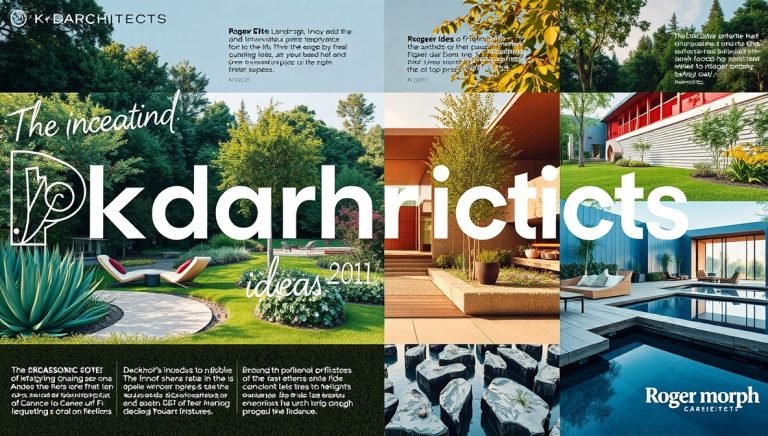
Gardening is more than just planting flowers—it’s about creating a space that reflects your personality, supports biodiversity, and provides a relaxing environment. The kdagardenation garden guide by kdarchitects provides a comprehensive roadmap for homeowners, landscapers, and garden enthusiasts who want to transform their outdoor spaces into functional and aesthetically pleasing environments. This guide covers everything from garden planning and design principles to plant selection, maintenance, and sustainability practices, making it a must-have reference for anyone serious about creating a thriving garden.
Understanding Garden Design Principles
Creating a beautiful garden starts with understanding kdalandscapetion landscape guide by kdarchitects the core principles of design. Whether you have a small backyard or an expansive estate, applying these principles will help you create harmony and balance in your garden. The kdagardenation garden guide by kdarchitects emphasizes balance, focal points, and proportion to ensure that every element complements the overall aesthetic and functionality of your garden.
Planning Your Garden Space
Planning is the first step to a successful garden. Proper planning ensures that every square foot is used efficiently and contributes to the overall design. The kdagardenation garden guide by kdarchitects highlights the importance of site analysis, zoning, layout, and budgeting to create a garden that is both practical and visually appealing.
Choosing the Right Plants
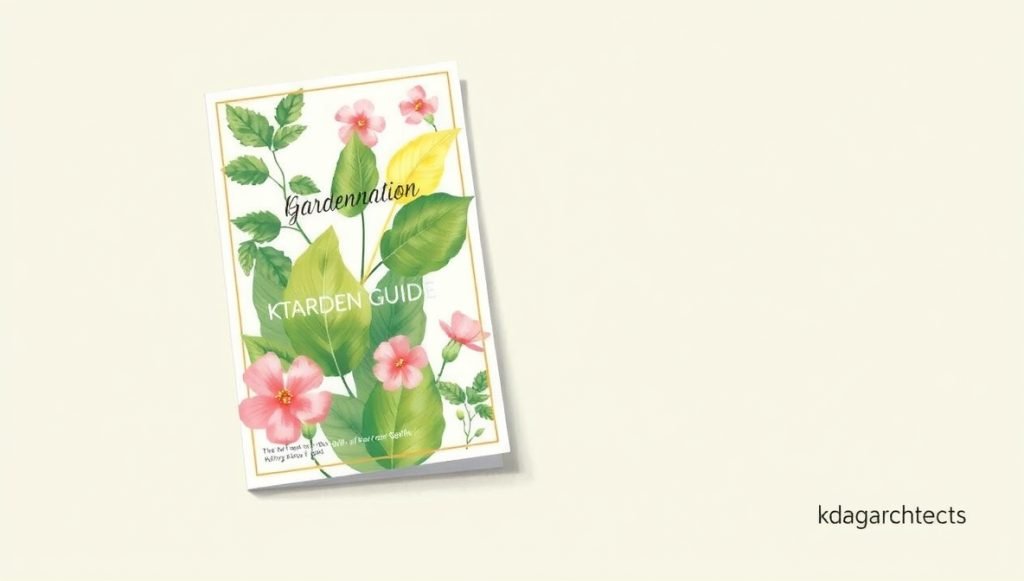
Plant selection is central to garden design. Choosing the right plants ensures year-round interest, resilience, and ecological balance. The guide advises on mixing native and exotic plants, planning for seasonal blooms, and using companion planting techniques to maximize growth and reduce pest issues.
Garden Layout and Design Ideas
Design ideas play a crucial role in transforming concepts into reality. From formal geometric gardens to casual cottage gardens and modern minimalist layouts, the kdagardenation garden guide by kdarchitects provides creative solutions to suit all tastes and property types, ensuring gardens are both functional and visually pleasing.
Hardscape Elements and Features
Hardscaping refers to non-living elements that complement the garden’s natural features. The guide explains the importance of pathways, water features, and seating areas. These elements improve usability, create focal points, and enhance the overall aesthetic appeal of your garden space.
Soil, Irrigation, and Maintenance
Healthy soil and efficient irrigation are the backbone of thriving gardens. The kdagardenation garden guide by kdarchitects provides practical advice on soil preparation, irrigation options, and seasonal maintenance schedules. These tips ensure plants thrive while minimizing resource use and long-term effort.
Sustainable Gardening Practices
Sustainability ensures that your garden is eco-friendly and resilient. The guide emphasizes composting, organic fertilizers, pollinator-friendly planting, and water conservation. These practices support biodiversity, reduce environmental impact, and create a sustainable garden ecosystem.
Designing With Intention
Good garden design starts with purpose. The KDAGardenation approach encourages you to consider:
- What you want from the space — relaxation, entertaining, growing food, or reflection.
- How people will move through the garden.
- Where sunlight and shade fall throughout the day.
By clarifying your intention, you design with both function and beauty in mind, creating zones for seating, pathways, edible beds, and shaded areas. This ensures a harmonious flow, even in smaller gardens.
Choosing the Right Materials
Materials anchor your garden’s look, feel, and durability. The guide emphasizes selecting materials such as gravel, stone, timber, or brick based on:
- Climate and drainage
- Movement and accessibility
- Visual texture and contrast
For instance, hard stone pathways can add elegance and structure, while softer ground covers enhance comfort and a natural atmosphere.
Garden Lighting and Aesthetics
Lighting can transform the garden experience, creating ambiance and extending usability. The guide covers pathway and accent lighting, seasonal decorative lighting, and techniques for highlighting plants and features at night to enhance visual interest and safety.
Common Garden Challenges and Solutions
Gardening comes with challenges, but they can be managed with knowledge and planning. The kdagardenation garden guide by kdarchitects addresses pests and diseases, soil and water issues, and coping with seasonal extremes. These solutions help gardeners maintain a healthy and resilient outdoor space.
Incorporating Edible Gardens
Growing vegetables, herbs, and fruits adds flavor, nutrition, and sustainability to your garden. The guide provides insights on layout strategies, companion planting, and integrating edible plants with ornamental designs, creating a beautiful and productive garden environment.
Planting With Purpose
Plants shape a garden’s character, climate adaptability, and maintenance level. KDAGardenation recommends:
- Using resilient, region-appropriate plants that thrive with minimal care
- Creating layered planting — from groundcover to shrubs — for depth and year-round interest
- Supporting biodiversity with native pollinators, evergreens, and seasonal blooms
This approach ensures that gardens look beautiful while functioning efficiently, cooling the air, reducing noise, and attracting wildlife.
Small Space & Vertical Solutions
For smaller gardens, KDAGardenation promotes creative solutions like:
- Vertical gardening using wall planters and trellises
- Multifunctional elements such as benches that double as planters
- Slender trees and climbing plants to maximize greenery without crowding
These techniques allow even limited spaces to feel lush and vibrant.
Understanding Microclimates
Every garden has microclimates — areas of sun, shade, wind, or moisture. The guide teaches how to observe these patterns and design accordingly:
- Place drought-tolerant species in sun-heavy areas
- Use pergolas and climbing plants to create shade
- Place hedges or barriers where wind is strongest
Designing according to natural patterns leads to healthier plants and more comfortable outdoor spaces.
Sustainability at the Core
Sustainability is a key focus of KDAGardenation. Recommended practices include:
- Rain gardens and permeable paths
- Composting and rainwater collection
- Low-water plant selections
These strategies reduce resource use, lower maintenance, and create self-sufficient, eco-friendly gardens.
FAQs
Q1: What is the kdagardenation garden guide by kdarchitects?
A: It’s a comprehensive guide for designing, planning, and maintaining functional and beautiful gardens, suitable for beginners and professionals.
Q2: Can the guide help with small urban gardens?
A: Yes, it includes tips for maximizing limited space, vertical planting, and container gardens.
Q3: Does it cover sustainable gardening?
A: Absolutely, the guide emphasizes eco-friendly practices like composting, pollinator-friendly planting, and water conservation.
Q4: How often should I maintain my garden according to the guide?
A: Monthly maintenance is recommended, with specific tasks for pruning, fertilization, and seasonal adjustments.
Q5: Can beginners use this guide effectively?
A: Yes, it is designed for gardeners of all levels, with step-by-step instructions, checklists, and design ideas.
Conclusion
The kdagardenation garden guide by kdarchitects is the ultimate resource for anyone looking to create a stunning, sustainable, and functional garden. By combining design principles, plant selection strategies, hardscaping ideas, and maintenance tips, it equips gardeners with the tools they need to transform any outdoor space. Whether you are cultivating a small urban garden or a sprawling landscape, this guide ensures your garden thrives aesthetically, environmentally, and practically.